Entry · Ref JGLDYUQS
Spicy Thai Drunken Noodles with Fresh Chili and Basil
- Posted
- 2026-09-25
- Last amended
- 2026-09-25
- Account
- @knoxayhg360
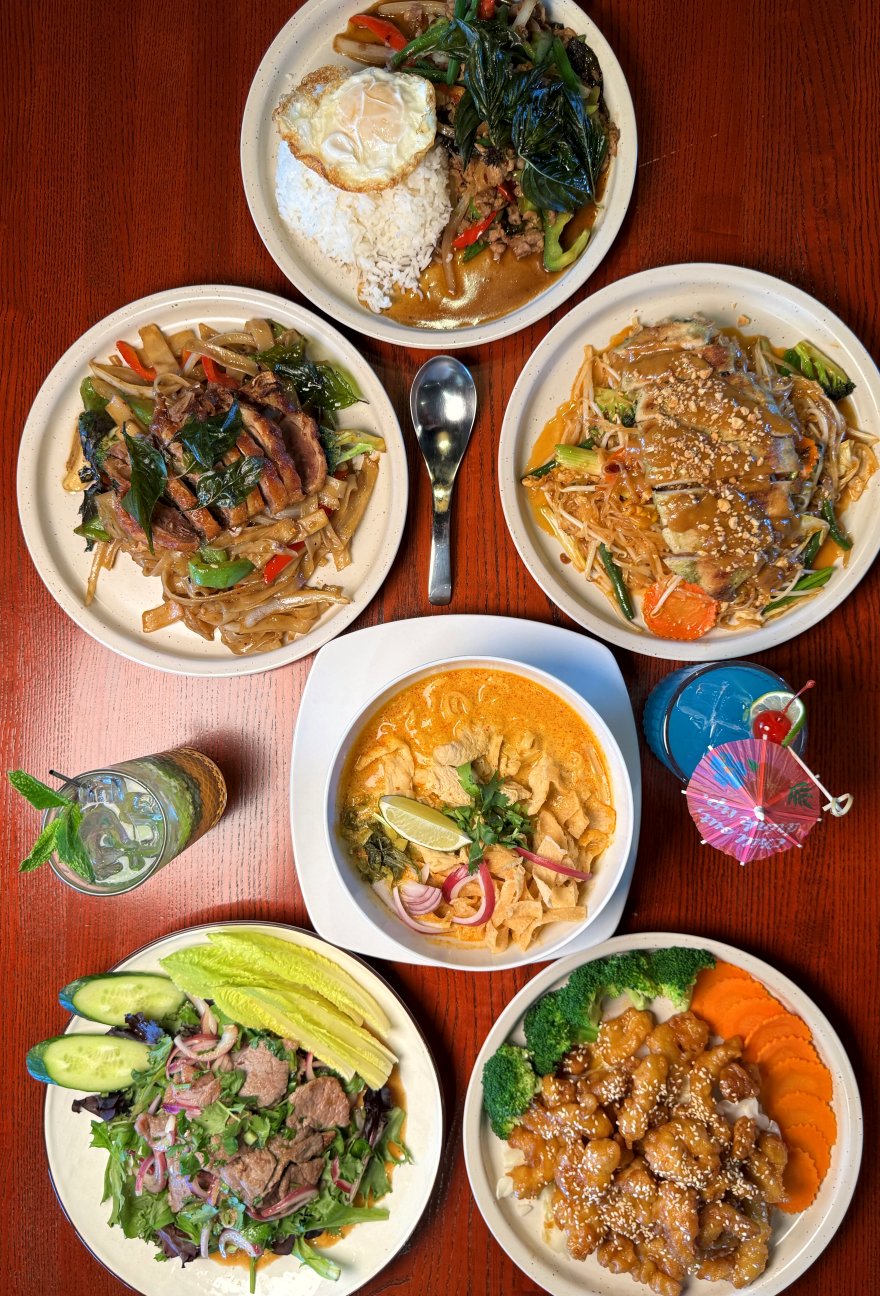

Few noodle dishes deliver the same immediate satisfaction as spicy Thai drunken noodles. They hit fast and linger in the best way, with chewy rice noodles, a glossy savory sauce, fresh basil, and enough chili to keep every bite lively. Done well, the dish tastes layered rather than simply hot. The sweetness should barely round the corners, the salt should deepen the noodles and vegetables, and the basil should arrive right at the end with a clean, almost peppery lift.
Drunken noodles, often known by the Thai name pad kee mao, reward confidence at the stove. They are not difficult, but they do move quickly. The pan needs to be hot. The noodles need the right texture before they ever hit the wok. The sauce cannot be guessed at halfway through. Once the garlic and chilies go in, the dish is already in motion.
That pace is part of the appeal. It is also why so many home versions disappoint. The noodles clump or break, the vegetables steam instead of char, the basil turns black, and the whole pan tastes flat despite a heroic amount of chili. Most of those problems come down to timing, heat, and balance rather than fancy technique.
This version leans into the dish’s strongest qualities. It uses fresh red chili for brightness and direct heat, plenty of basil for fragrance, and a sauce that coats rather than drowns. The result should taste bold, slightly wild, and unmistakably alive.
What makes drunken noodles different
People often confuse drunken noodles with pad see ew because both use wide rice noodles and both are stir-fried at high heat. They share a visual similarity, but the eating experience is quite different. Pad see ew is gentler, sweeter, and more soy-forward. Drunken noodles are sharper and more aromatic. They usually carry more heat, more garlic, and a stronger herbal note from Thai basil.
Texture matters just as much as flavor. A strong plate of drunken noodles has contrast. The noodles should be supple and lightly blistered in spots. The vegetables should keep some edge. The protein, if used, should be seared and seasoned, not floating blandly in sauce. The basil should soften but still smell fresh when the plate lands on the table.
The name itself invites speculation, and there are several stories around it. Some people say it is spicy enough to pair well with a cold drink. Others claim it is the kind of late-night food cooked after a long evening out. There is no need to settle the legend to cook the dish properly. What matters in practice is that it is assertive, fast, and built around heat and aroma.
The ingredients that actually matter
A lot of recipes bury drunken noodles under a long shopping list, but only a handful of ingredients truly define the dish. The noodles are the foundation, the chilies and garlic create the first wave of flavor, the sauce gives body, and the basil finishes it. Everything else supports that core.
If you can find fresh wide rice noodles, use them. They have a tender chew that dried noodles rarely match. Fresh noodles can stick together in the package, so loosen them gently with your fingers before cooking. If they are cold and stiff, a brief microwave warm-up or a short rest https://felixhlns358.alderbrief.com/posts/spicy-drunken-noodles-a-flavor-packed-thai-favorite at room temperature helps. Pulling apart refrigerated noodles while they are still rigid is one of the easiest ways to tear them.
Dried wide rice noodles can still produce an excellent plate, but they require restraint. Most packages tell you to soak or boil until soft. For stir-frying, aim just short of that. The noodles should be flexible, yet still slightly firmer than you want to eat. They will finish in the pan and absorb sauce there. If they are fully soft before stir-frying, they tend to split and turn pasty.
Fresh chili brings a cleaner and more vivid heat than bottled chili pastes in this dish. Red Thai chilies are ideal, but serranos work very well if that is what you have. Bird’s eye chilies can be thrillingly hot, sometimes more than a home cook expects, so treat them with respect. I usually start with less than I think I need, especially when cooking for a mixed table. Heat can be increased far more easily than it can be removed.
Thai basil is worth seeking out. Italian basil will smell pleasant, but it changes the character of the dish. Thai basil has a firmer leaf and a slight licorice note that stands up to intense heat and salty sauce. It holds its own in the pan rather than disappearing into sweetness.
The sauce should be savory first. Oyster sauce adds body and a subtle sweetness. Light soy sauce seasons. Dark soy sauce deepens color and gives a faint caramel note, but it should not dominate. Fish sauce can sharpen the entire dish if used carefully. Too much, though, and you lose the clean line between noodles, basil, and chili.
A practical ingredient set
For a generous dinner for about four people, this is a reliable starting point:
- 14 to 16 ounces wide rice noodles, fresh or dried
- 3 to 4 tablespoons neutral oil, plus more if needed
- 5 to 7 cloves garlic, roughly chopped, 3 to 6 fresh red chilies, sliced, and 2 packed cups Thai basil leaves
- 8 to 10 ounces protein such as chicken, shrimp, tofu, or thinly sliced beef, plus 3 to 4 cups vegetables like Chinese broccoli, bell pepper, onion, or green beans
- 2 tablespoons oyster sauce, 1 1/2 tablespoons light soy sauce, 1 to 2 teaspoons dark soy sauce, 1 to 2 teaspoons fish sauce, and 1 teaspoon sugar
That framework leaves room for judgment. If your oyster sauce is especially sweet, back off the sugar. If your fish sauce is strong and funky, start at the lower end. If your chilies are mild, use more and consider adding a pinch of white pepper for extra lift.
Choosing the right vegetables and protein
Traditional versions often use Chinese broccoli because it handles intense heat beautifully. The stems stay crisp if sliced thin, and the leaves wilt just enough to catch the sauce. If Chinese broccoli is unavailable, regular broccoli is not the closest substitute, though it can work. Better choices are broccolini, green beans, sliced bell peppers, or onion wedges. Each offers structure and can take the heat without turning watery.
Onions deserve special mention. In a hot wok, they blister slightly at the edges and turn sweet enough to soften the sharpness of the chilies without muting them. Red bell pepper adds color and sweetness, but too much can make the dish feel more like a stir-fry medley than drunken noodles. Keep the vegetables purposeful.
Protein should be sliced thin and cooked hard and fast. Chicken thigh stays juicier than chicken breast and is forgiving for home cooks. Shrimp works beautifully, but it can overcook in less than a minute on each side once the pan is hot. Tofu can be excellent if you brown it well beforehand. If you slide pale, damp tofu into the stir-fry and hope the sauce will rescue it, the dish often ends up watery and underseasoned.
Beef, especially flank or sirloin sliced against the grain, brings a richer flavor. It also leaves browned bits in the pan that deepen the sauce. The trade-off is that beef can dominate the basil if used too heavily. With drunken noodles, balance matters more than abundance.
Sauce balance is where most cooks win or lose
A proper stir-fry sauce tastes slightly too strong in the bowl. That can be unnerving if you are used to tasting as you go, but noodles and vegetables need assertive seasoning. By the time the sauce disperses across the whole pan, its edges soften.
What you are aiming for is not a sweet sauce with chili. You want salty depth first, then a small amount of sweetness, then heat and herb aroma. Oyster sauce provides some of that rounded sweetness already, which is why I prefer to add only a little sugar. The sugar should not register as sweetness on its own. It should simply help the sauce cling and smooth the sharper notes.
Dark soy sauce deserves caution. It is useful, especially for the deep bronze color people expect, but too much can make the dish muddy. A teaspoon or two is often enough. If you want a stronger soy presence, increase the light soy instead.
Fish sauce is optional in some households, but I think the dish tastes more complete with a small amount. Used properly, it does not announce itself. It lifts the sauce and sharpens the savory line. Used carelessly, it can flatten the basil and make the kitchen smell harsher than the final plate tastes.
The pan, the heat, and the myth of the home wok
Many recipes talk about wok hei, that smoky breath of the wok associated with restaurant stir-frying over extremely powerful burners. Most home kitchens will not replicate that exactly, and chasing it too aggressively often causes problems. Home cooks crowd the pan, leave ingredients too long between tosses, or keep adding oil to compensate for weak heat. The result is greasy noodles and steamed vegetables.
What you can achieve at home is controlled charring and rapid reduction. That is enough for a compelling plate of drunken noodles. A carbon steel wok is excellent if you have one and know how to use it, but a large, heavy skillet can be more reliable on a standard stove. The key is surface area and confidence. Cook in batches if necessary. It is better to finish the dish in two quick rounds than to force everything into one overloaded pan.
Have every ingredient prepared before you turn on the heat. This is not a dish that tolerates rummaging through the refrigerator while garlic browns. Once the aromatics start cooking, you have maybe three or four minutes before the plate needs to happen.
How to cook it without overthinking it
This is the sequence I use when I want the noodles glossy, the basil fragrant, and the vegetables still alive:
- Mix the sauce first, loosen the noodles, and set the protein, vegetables, garlic, chilies, and basil within reach.
- Heat the pan until very hot, add oil, then sear the protein just until cooked or nearly cooked, and remove it if the pan looks crowded.
- Add a little more oil if needed, then stir-fry the garlic and chilies briefly, add the sturdy vegetables, and cook until they pick up color.
- Add the noodles and sauce, tossing quickly so the noodles absorb the liquid, then return the protein and fold everything together.
- Turn off the heat, add the basil, toss just until wilted, and serve immediately.
That last step is where the dish often comes alive. Basil added too early loses much of its aroma. Basil added off heat keeps its perfume, and the residual warmth of the noodles is enough to soften the leaves.
If the pan looks dry after the noodles go in, do not panic and add a flood of sauce. First toss thoroughly. Fresh noodles often release moisture after a few seconds. If they still need help, add a tablespoon of water around the edge of the pan. Water can loosen and distribute sauce more cleanly than additional soy or oyster sauce, which may push the final dish too salty.
Common mistakes and how to avoid them
The most common mistake is over-soaking or over-boiling the noodles. Soft noodles seem easier to work with, but they become fragile under high heat. Undercook slightly and trust the pan to finish the job.
The second is crowding. When too many ingredients hit the pan at once, the temperature drops. Instead of blistering, the vegetables release water. Instead of searing, the protein poaches in its own juices. You can often taste this problem even if you cannot name it. The dish feels muted and heavy.
Another frequent issue is sauce imbalance. Home cooks often fear salt, then compensate with sugar or bottled chili sauce. Drunken noodles should not taste candied or jammy. They should taste salty enough to support the noodles, spicy enough to stay interesting, and aromatic enough that the basil remains distinct.
A more subtle problem is cutting vegetables too thick. Chinese broccoli stems, onions, and bell peppers need to cook quickly. Large chunks take too long, forcing you to either undercook them or overcook everything else. Thin slicing is not fussy here, it is practical.
Then there is hesitation. Stir-frying rewards decisiveness. If you stir too timidly, ingredients sit and burn in isolated patches. If you toss too gently, the sauce never coats evenly. Quick, purposeful movement matters more than constant movement.
Fresh chili, real heat, and how to control it
Spice tolerance varies wildly, even among people who claim they like hot food. Fresh chili also changes from batch to batch. One week, a handful of red chilies tastes bright and manageable. The next week, the same amount can feel punishing.
The best approach is to build heat in layers. Start with sliced fresh chili in the pan, then taste a noodle before serving. If you want more intensity, a pinch of white pepper or finely chopped raw chili folded in at the end can lift the heat without changing the whole sauce profile. That gives you control.
Removing some or all of the seeds can lower the heat, but it also removes some punch and aroma. I usually prefer simply using fewer chilies rather than stripping them entirely. You preserve flavor while making the dish more accessible.
If you are cooking for people with mixed tolerance, make the base moderately spicy and serve extra sliced chilies or a simple chili vinegar on the side. That preserves the dish’s integrity while letting each person tune it to taste.
Timing the meal and serving it well
Drunken noodles are at their peak straight from the pan. The noodles are glossy, the basil is vivid, and the vegetables still have snap. Let the dish sit for fifteen minutes, and it is still good. Let it sit for an hour, and the noodles tighten, the basil dulls, and the sauce settles heavily.
That makes this a smart meal for a weeknight when you want one pan, one burst of focused cooking, and dinner on the table fast. It also makes it excellent for a casual dinner with friends, provided the prep is finished beforehand. I have cooked versions of this dish for four people in a compact home kitchen on a mediocre stove, and the difference between stressful and smooth always came down to organization, not equipment.
Serve it on warm plates if you can. It sounds like a small thing, but stir-fried noodles cool quickly. A warm plate buys you a few extra minutes of ideal texture. Lime is not mandatory, though a wedge at the table can brighten a heavier batch. I prefer not to squeeze lime over the whole dish in the pan because it can compete with the basil.
Variations worth making, and a few that are not
Seafood versions can be excellent, especially with shrimp or squid, but they demand tighter timing. Shrimp should be just cooked before the noodles go in. Squid must be cooked in seconds or it turns rubbery. For many home cooks, chicken thigh or tofu is the more forgiving option.
A vegetarian version works best when you treat umami seriously. Tofu alone is not enough. Use a vegetarian oyster-style sauce if available, increase the soy carefully, and consider mushrooms for depth. The goal is still a savory backbone, not just noodles with vegetables and basil.
Extra vegetables can be appealing if you are cleaning out the refrigerator, but restraint helps. A drunken noodle dish overloaded with carrots, baby corn, mushrooms, zucchini, and cabbage becomes generic. Choose two or three vegetables that contribute texture and hold up under intense heat.
One change I do not recommend is drenching the noodles in bottled sweet chili sauce. It produces a shiny pan, but not the right flavor. The dish loses its sharpness and starts tasting like a different category of takeout entirely.
Leftovers, realistically
Leftover drunken noodles are never quite the same, but they can still be enjoyable if reheated properly. The microwave tends to make the noodles rubbery at the edges and soft in the center. A hot skillet with a teaspoon of water is better. Break up any clumps gently, cover for a minute to steam, then uncover and toss until the noodles loosen.
You may need a small splash of soy sauce or water, but be careful with salt. Leftovers often taste saltier the next day as the noodles absorb moisture unevenly. Fresh basil added during reheating helps restore some fragrance, though it will not fully recreate the original finish.
If you know you are cooking with leftovers in mind, pull the dish from the heat a touch earlier than usual so the noodles stay slightly firmer. That gives them a better chance on day two.
The character of a good plate
When drunken noodles are right, you notice several things at once. The noodles are slick but not oily. The sauce clings instead of pooling. The chilies announce themselves immediately, then make room for garlic and basil. The vegetables taste like themselves, just sharpened by the pan. Every bite feels a little irregular, in the way that good stir-fry should. One forkful carries more basil, another catches a hotter chili slice, another leans into charred onion and soy.
That slight unpredictability is part of the dish’s charm. It is not supposed to feel engineered into sameness. It should feel vigorous, hot, and freshly made. There is room for personal style, more basil here, greener vegetables there, a little more fish sauce in one kitchen, a little less in another, but the soul of it stays the same.
If you focus on noodle texture, keep the sauce balanced, and add the basil at the right moment, spicy Thai Drunken Noodles become one of the most reliable high-impact meals you can make at home. They ask for attention, but not for long. And when they hit the table properly, with fresh chili in the air and basil rising off the noodles, they rarely need any introduction at all.
Nakhon Luang Thai Kitchen
Address: 805 Village Center Dr, Colorado Springs, CO 80919
Phone number: +17195315175
FAQ About Drunken Noodles
What makes it drunken noodles?
Drunken noodles, or Pad Kee Mao, get their name from the Thai word khi mao (meaning "drunkard"). They contain no alcohol. The name comes from the idea that the dish is a popular late-night meal to cure a hangover or a great food to eat with a cold beer.
What is the difference between pad see ew and drunken noodles?
While both Pad See Ew and Drunken Noodles use the same wide rice noodles, Pad See Ew is a mild, sweet-savory dish made with dark soy sauce and Chinese broccoli, whereas Drunken Noodles (Pad Kee Mao) are fiery, garlicky, and herbaceous with fresh chilies and Thai basil.
What are traditional drunken noodles?
Traditional drunken noodles, known as Pad Kee Mao in Thai, are a fiery, savory street food stir-fry made with wide flat rice noodles, fresh garlic, lots of hot chilies, meat or tofu, and fragrant holy basil. Despite the name, they contain no alcohol; the dish is traditionally eaten late at night or as a hangover cure because the intense spice helps clear the head.